

Is Our Future Cyberpunk in the Making?
The recent AWS shutdown might be just a forewarning of a bleak future that’s too close to comfort.


What is good science fiction? That’s a question I have always found myself braving whenever I ponder the works by Asimov, Herbert, Liu, Adams, Weir, and Reynolds. But seeing the world we are living in today, I think that these authors were shortsighted, to say the least.
Now, don’t get me wrong. Good science fiction needs good world-building, and that’s where these authors excelled the most. The worlds they created—or universes in some cases—do not feel alien. They’re accurate projections of what Earth, its civilizations, and its polities could be, mapped onto the greater galactic background and treated like cosmic radiation that withers the existence of the mundane. That’s a heavy-handed statement—I admit—to just say that they did well. But simplicity wouldn’t stroke my ego the same way, would it?
I digress. The authors I listed above, and others that I didn’t, were visionaries. The worlds they built, discreetly or with exposition that felt like second nature, were an opaque reflection of the life that could be in a world that wouldn’t be. Yet, the more I look at the world that is building around me, the more I find that hard science fiction missed the mark of reality. That is, until you take a left turn into the psychotic world of Cyberpunk fiction.
For those unaware or living under digital slabs, the cyberpunk genre is a dystopian basket case; that particularly grimy, neon-lit urban fantasy poking at the science-fiction umbrella from uncomfortable angles of mutilation, body enhancement, transcendence, and no-longer-hiding-it capital crimes from ultra-capitalists that make barbarian lifestyle the USP of the world.
Forked from the punk and hacker subcultures, painstakingly polished by William Gibson in his novel Neuromancer, and added to by the brilliance of various artists—that created the likes of Blade Runner, Akira, Ghost in the Shell, Judge Dredd, The Matrix, and many more—there’s something depressingly charming about this world.
But I particularly like the Mike Pondsmith variety that builds over the foundations and brings a gothic-like, rain-over-the-city, neo-noir depression of living in a world where the lines between digital and physical are blurred. When CD Projekt RED transformed Pondsmith’s tabletop series of RPGs into a video game set in 2077, the world of cyberpunk exploded once again.
Now here’s the funny part: fiction is still fiction, right? So why is it that when I look at last week’s (late October 2025, if you’re reading this sometime in the not-completely-dystopian-yet future), I’m reminded of the cyberpunk mockery of a society all too dependent on technology?
Pulling the Plug Between Fiction and Reality
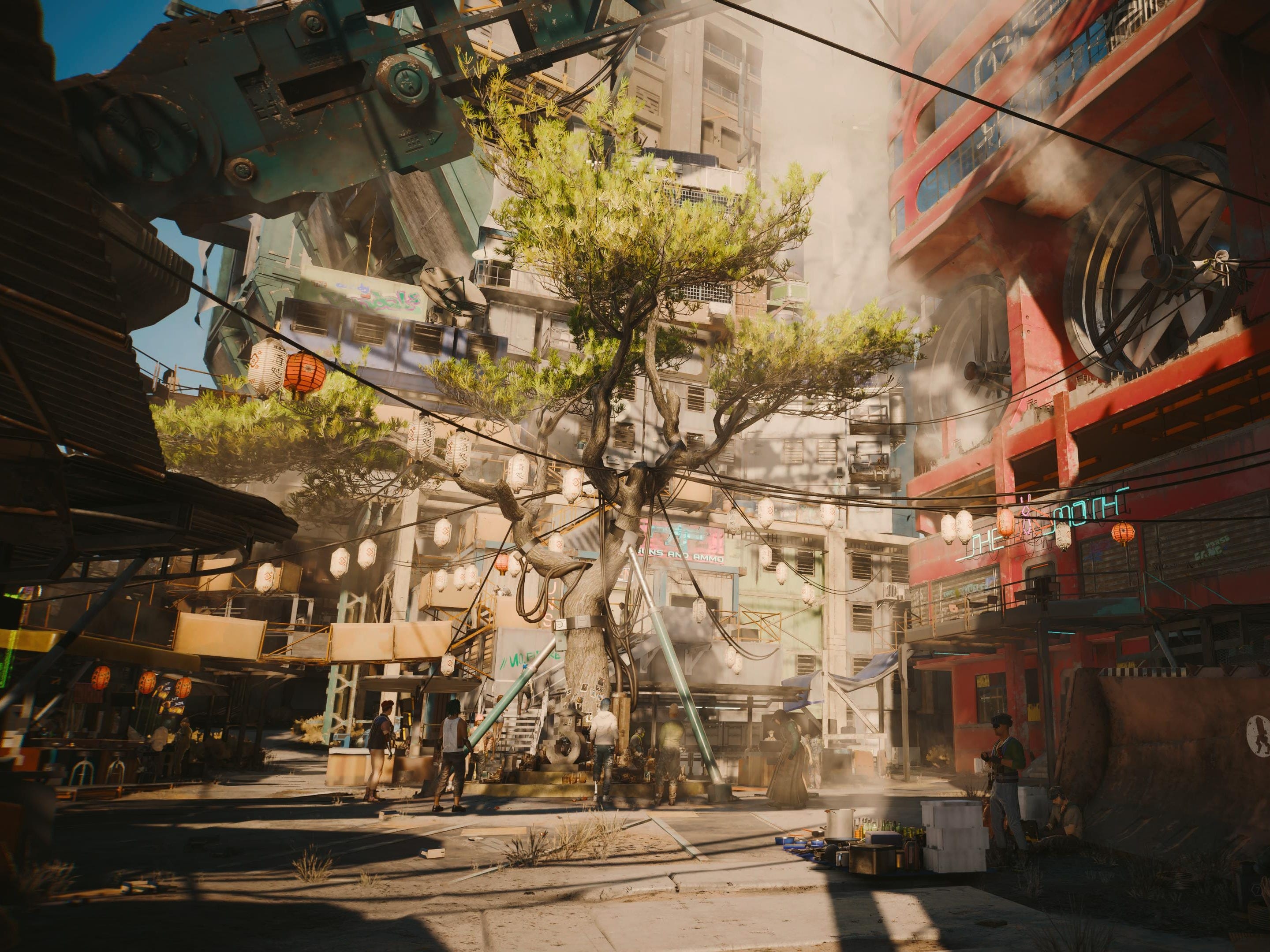
For every fiction to connect with its audience, there has to be a substrate of reality where it stands. Suffering works delightfully well in this medium, which is why action, suspense, thriller, horror, and mystery work so well. But what do we do when this substrate of fiction starts leaking into reality? What do we do when fiction becomes a gritty reflection of a ditch on a road that hasn’t been mended?
Suffering, therefore, is the artery of Pondsmith’s Cyberpunk experience. It’s the interstate thoroughfare of indulgence, crime, and punishment extolled by the corrupt and often hijacked government, suited corporate bureaucracy, power-hungry gangs, and cyber psycho vigilantes. Against this backdrop is the futurist Night City, a (haven?) of human- and machine-rejects fornicating with each other until you cannot separate man from cyberspace.
That’s a pretty reduced setup, but it works. The artery of suffering extends in the physical space as well as cyberspace. Roads aren’t the only way to travel, you see. The version of the internet that runs this world is the beating heart of the people. It physically connects people, gadgets, transports, weapons, and even consciousness. Agents—people, machines, or a mix of both—continue to exist, build, edit, and infiltrate this net. Imagine if something of this complexity were to blackout.
Last week, AWS suffered an outage (on the 20th of October, 2025). What began in the U.S. cascaded to the rest of the globe as the internet (or at least parts of the internet relying on AWS) came crashing down. Many who host their platforms on Amazon’s widely spread cloud hosting found themselves on the shorter, quite comical end of the stick. This included
Social media platforms:
Reddit
WhatsApp
Discord
YouTube
Entertainment services:
Prime Video
Disney+
PlayStation Network
Video games such as Roblox, Fortnite, and Rocket League
E-commerce and finance platforms:
Paypal
Venmo
Etsy
Amazon
Lloyds Bank, Halifax Bank, Bank of Scotland
Cloud tech:
Canva
Google’s Drive, Meet, and Cloud
Amazon Alexa and Ring
Duolingo
And many more. You can find a full list of these here.
Apart from banking and payment services that would impede your life, you could sort of go on with your day, right?
Except the outage also took out obscure and odd service platforms that rely on the arterial highway of cloud computing that Amazon provides. Platforms that you probably didn’t ever bat an eyelid in the general direction of their cloud requirements.
Take the smart bed industry. Eight Sleep’s pods (as they call them) found themselves separated from the mother cloud. Some hunched in tense anticipation, while others started to heat up. I still don’t know why a bed needs to be smart (beyond the memory foam requirement). A bed connected to the internet is always concerning. Even if you just use it to sleep.
However, imagine if a massive IoT network—something so pervasive yet becoming unnecessarily ubiquitous—were to come down harder.
The Internet of Undoings
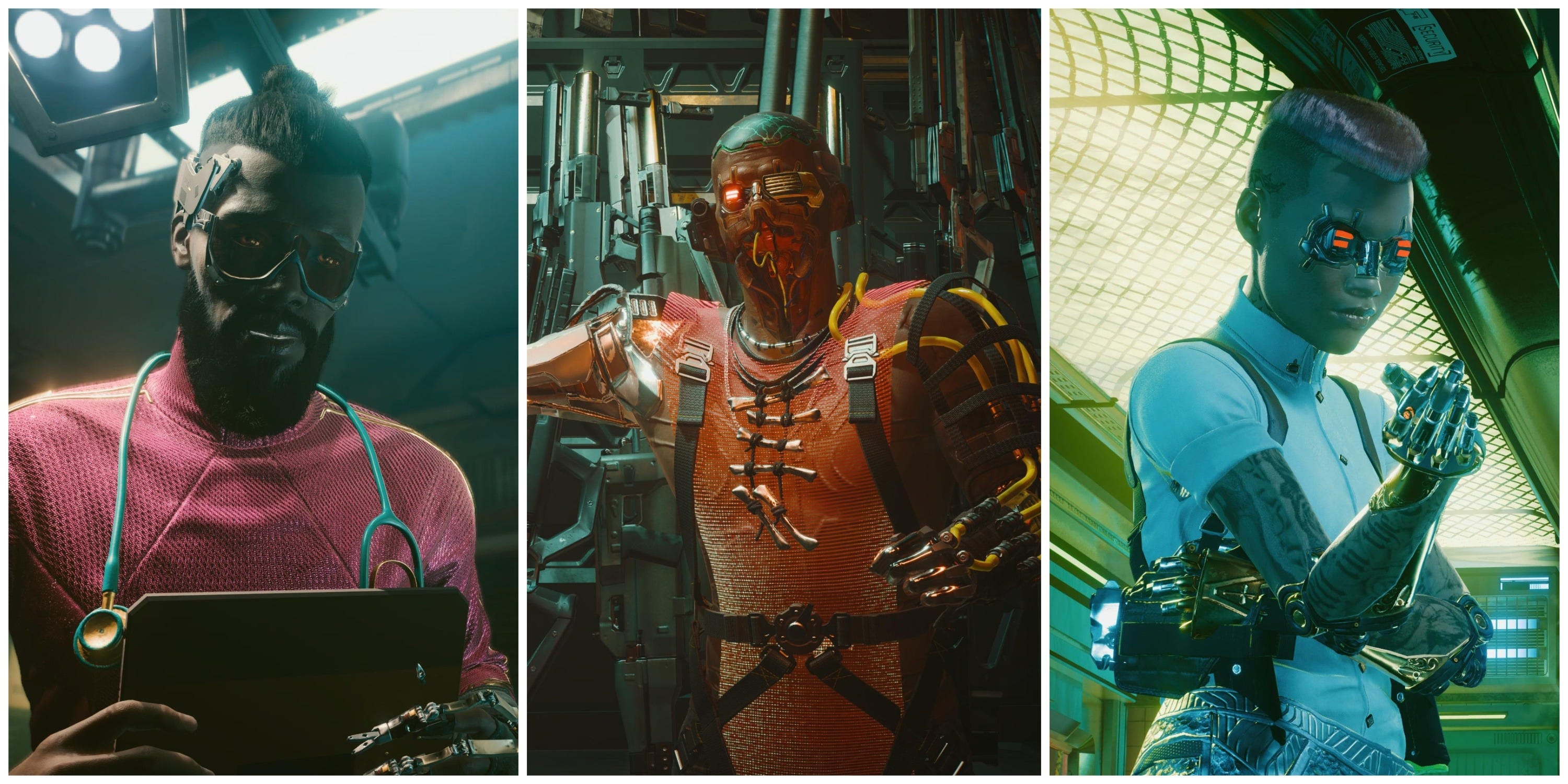
IoT, or the internet of things, is the interconnectedness of smart devices on a single network, such as your home or office.
Now, the idea of having smart devices might be appealing, but is it really needed? The smartphones in our pockets are already too much of a privacy breach. But that doesn’t stop people from buying smartwatches, which just replicate the functionality of your phone screen. Smartwatches, and how common they’ve become, point to a glaring issue with technology consumption. What purpose does a watch have to go smart?
And that’s just the tip of the IoT iceberg. We’ve got smart glasses, smart washing machines, and smart refrigerators, many now also boasting AI capabilities. All so that you can control everything through your phone? Oh wait, no, I forgot that their true purpose is to stream ads at you, 24/7.
You might see yourself as a shadow of Tony Stark with all the tech wearables around you monitoring your sight, smell, pulse, social interactions, and thoughts. Perhaps, you might even have a digital pacemaker or a similar tool regulating your organs with the touch of an app. But what you really are is an NPC (non-playable character; or a commoner in this context) within the shadow of an emerging cyberworld.
And believe what you want, you’re not the controller. Outages like AWS show the extent of vulnerabilities present in these networks. Your wearables are pumping all the data on your person and logging it into their memory before it gets shifted to the cloud for tracking and analysis. That’s your biometrics freely available to study and potentially even mess with. If an outage happens, your dependencies stop functioning.
But an even worse scenario that IoT devices bring is the roughshod code that can become a target point for anyone else. That’s where the cyberpunk world feels more real. Just like this universe of tabletop RPGs and the acclaimed video game, if one were to hack your optics, wearables, or organ-augmenting devices, they could wreak havoc on your body. Or make you do things you’d never imagine.
Perhaps, I’m going too grim here.
Perhaps, we’ll never see such an outcome.
Perhaps, fiction will stay fiction even as time wounds its pace.
To be honest, with intrusive ad streaming in IoT devices and almost comical glitches that make them go haywire, this fiction is not far from becoming a true reality. I might be seeing too much in my tea leaves. Do I need AI-powered lenses to read them better? Or should I just turn my smartphone-controlled T-bulb?
